Sightings – October 2005

Witcombe (31 October, contributed by Gordon Avery)

A WEBs count produced 56 Tufted Duck and 6 Teal amongst the other wildfowl and also a female Stonechat along the one of the hedgerows.

Severn Hams (29 October, contributed by Mike Smart)

The level of the Severn had dropped somewhat at Haw Bridge, but not enough for the floodwater at Ashleworth and Hasfield Hams to flow away. Water levels on the GWT reserve at Ashleworth are now at their preferred winter level and are maintained by a sluice; so conditions are right for any Whooper Swans from Iceland which may deign to come this winter, after a two year absence; a couple of Gadwall had joined the Wigeon and Teal. At Coombe Hill, the scrapes are full, but there is no flooding; on 29 October there were 300 Teal (a respectable number for the season), 60 Wigeon, 14 Snipe and four Green Sandpipers with at least one Stonechat. On the Leigh Meadows, the local brooks have not overflowed either, so things are rather quiet; the main bird of note on 29 October was a Stonechat; plus of course the masses of Redwings and Fieldfares at all sites, in their hundreds in the hedges and flying over, obviously on migration.

Further downriver at Walmore Common, high Severn levels have also produced light flooding, with very attractive conditions for waterbirds; the juvenile Red-necked Phalarope found by Andy Jayne was the star of the show (was it the bird that had previously been seen at Slimbridge?), but there were good numbers of ducks too – 100 Wigeon, 120 Mallard, 100 Teal with half a dozen Shoveler and Pintail, and a couple of Bewick’s Swans, no doubt birds from Slimbridge put in an appearance. Interestingly, birds newly arrived at Slimbridge often make a recce in the first few days, to check on conditions at Severn Vale sites which they have visited in previous winters.

Sudmeadow (27 October, contributed by Gordon Avery)

A nice female Merlin today; it tried to take a Pied Wagtail but missed, then the wagtail had the audacity to start chasing the Merlin. Brave fool!

Looks as if the Stonechats have moved out.

Autumn hits the Severn Hams (27 October, contributed by Mike Smart)

Since the heavy rain of last weekend, autumn has clearly arrived, despite a last fine day of summer on Thursday 27 October. The rain in North Wales brought the Severn at Haw Bridge to its highest level since the light floods of last April. At the same time, local rainfall filled all the streams and ditches; since the Severn was so high, they could not discharge into the river and as a result have been back-flooding onto the meadows. As a result, water is pouring into the GWT reserve at Ashleworth and the fields in front of the hide are lightly flooded, the water extending over greater surfaces all the time; by the end of the week, most of the area normally flooded in winter will is likely to be under water (just in perfect time in fact for the Whooper Swans arriving from Iceland, which have not appeared in the last two years because of shortage of water). Over on Hasfield Ham, there is light flooding too.

On 27 October, about 250 Wigeon were on the floodwater, along with nearly 100 Teal, quite the highest number found in the area so far this autumn; about a dozen Shoveler were right in front of the hides. A Paregrine Falcon (the North American name of which is ominously duck hawk) sat eyeing them from the nearby pylon. There were as many as seven Herons, and about 14 Mute Swans. At least fifteeen Lawings and three Snipe. The hedges were full of wintering thrushes, mostly Redwings but a few Fieldfares too. Lots of migrants Meadow Pipits and Skylarks, with the odd Goldcrest and Long-tailed Tit in the hedges.

Nothing particularly unusual for the site, but all showing that conditions look right for the wintering birds.

Walmore Common (27 October, contributed by Andy Jayne)

A very unexpected new species for the site today was a very late first-winter Black Tern that flew in at 1.20pm and remained over the floodwater for nearly 40 minutes. Also present were 50 Wigeon, 2 Gadwall, 80 Teal, 100 Mallard, 5 Pintail, 5 Shoveler, a Cormorant, a Kingfisher and a pair of Stonechats. A Brimstone butterfly as well.

Sudmeadow (26 October, contributed by Gordon Avery)

This afternoon before the rain: male Stonechats at Port Ham; The Pond, GLS and at Fieldings playing field.

Cheltenham (17 October, contributed by Robert Homan)

2 Chiffchaffs singing and a third calling from the Honeybourne Cycle Path this morning.

Sudmeadow (5 October, contributed by Gordon Avery)

The overnight fog resulted in some migrants being grounded, including 6 Redwings and several new Blackbirds and Robins in the area plus at least 4 Chiffchaffs, a female Blackcap and some ‘crests’. The local Linnet flock is now up to 70 strong. In addition there was 1+ Golden Plover moving south and calling.

Cheltenham (5 October, contributed by Robert Homan)

The autumn is a time when evidence of the feeding activities of various leaf mining insects is fairly easy to find. Here are two conspicuous examples. The first image shows a series of mines of the micro-moth Lyonetia clerkella in a leaf from an ornamental cherry. The second is of a birch leaf with many mines of another micro-moth Ectoedemia occultella

Severn Hams (1 October, contributed by Mike Smart, Les Brown and Colin Butters)

Here we are in the last quarter of the year, long evenings and winter visitors approaching. Birdwise, rather quiet on the Severn Hams front, as there is not yet much water in scrapes or on fields. Practically no waterbirds about yet: 32 Greylags flew over Coombe Hill early this morning, going southwest, an unusually large number although more and more seem to be breeding higher up the Severn and Avon; otherwise just a few Snipe, perhaps half a dozen at Coombe Hill. On the other hand there was a fair amount of visible migration all morning at Coombe Hill, Ashleworth and Leigh Meadows: a small but steady stream of Swallows and House Martins, small numbers of Skylarks with rather more Meadow Pipits and the odd Yellowhammer; Chiffchaffs were singing or calling from very many hedges and the osier beds, and a good number of raptors – half a dozen Kestrels, fair numbers of Buzzards (six together at Ashleworth) and at both Coombe Hill and Leigh Meadows a number of Buzzards (young ones?) giving an unusual high-pitched call, much shriller than the usual mewing, generally from the top of a tree; and over Leigh Meadows a Merlin; in addition at Coombe Hill an October Whinchat and four Stonechats, and a Wheatear at Leigh Meadows.

Sudmeadow (1 October, contributed by Gordon Avery)

Not a lot about, although there was a Whinchat by Gloucester Football Club, Sudmeadow Road.

Sightings – September 2005

Haresfield Hill (29 September, contributed by Gordon Avery)

A Willow Tit and 2 Chiffchaffs with a small tit-flock, also 8 Common Buzzards up together over the hill.

Cheltenham (29 September, contributed by Robert Homan)

2 Chiffchaffs singing along the Honeybourne Cycle Path between Wyman’s Brook and the town centre in the morning.

Berkeley Shore (28 September, contributed by Gordon Avery)

Along the shore towards Severn House Farm were 2 fairly early Rock Pipits and a first winter ‘Greenland’ Wheatear.

CWP(W) (27 September, contributed by Andy Jayne)

Around CWP(W) this afternoon were 80 Red-crested Pochard, 1 Hobby, 3 Little Ringed Plover, 1 Ringed Plover, 2 Dunlin, 1 Ruff, 9 Snipe, 1 Black-tailed Godwit, 4 Green Sandpiper, 2 Common Sandpiper and 1 Reed Warbler.

Ashleworth (27 September, contributed by Mike Smart)

Rather quiet: a few Meadow Pipits and the odd Snipe. Water control structures have been built during the autumn on some of the ditches outside the reserve with the aim of retaining water in the ditches in spring.

Coombe Hill (27 September, contributed by Mike Smart)

One Whinchat and two Stonechats on the same bush; one Wheatear. A few Swallows, Skylarks, Meadow Pipits and Yelowhammers going over (visual migrants); song from Chiffchaffs and Blackcap. The excavation and scrape construction work now finished for this year: work on extension of the scrape in front of the Grundon Hide couldn’t be completed because of the problems of disposing of spoil in the floodplain; will be completed next year.

Severn Hams (Late September, contributed by Mike Smart)

From the ornithological point of view, late summer and early autumn is a dull time in the Severn hams, because the breeding birds have finished their business and, with water levels low, not many waterbirds appear. Still, the blackberry crop has been exceptional, and the Spindle Trees with their pink fruits are in full colour.

Summer 2005 appears to have been a very poor breeding season, to judge from the ringing evidence at Ashleworth. Catches have been much lower than last year’s bumper numbers, and the numbers of young birds have been very small; whereas last year there were very large catches (mainly juveniles) of the three main species, Sedge Warbler, Whitethroat and Reed Bunting, all three were few and far between in July and August. On the other hand a Barn Owl definitely raised young on a farm at Apperley; a number of nest boxes have been put up in the hope of attracting more; and there have been a rather more records of Little Owls, which appeared to have decreased of late: one calling at midday at Ashleworth on 24 September.

At both Ashleworth and Coombe Hill, water levels have dropped as usual, though the massive thunderstrom (nearly three inches of rain in the afternoon at Ashleworth) on 10 September soon refilled the scrapes at Coombe Hill. This is the (dry) time of year, best for management and conservation work, and much has been done at the two GWT reserves: at Coombe Hill, silt has been removed from the Long Pool (for the first time for very many years) to create a pool for ducks and other waterbirds in front of the second new hide overlooking the Long Pool, on the Apperley side; the opportunity was taken to take a soil sample using an auger which allowed a core two metres long to be collected; this showed that the surface silt surprisingly extended only about 30cms down, before being replaced by the underlying non-porous Compton clays; there were signs of periods of marine incursion deeper down. In front of the existing hide in Broadmere by the canal, the existing scrapes are being extended; very importantly, the long vegetation (including much pioneer willow) which had grown up over the last two years around the existing scrapes has been cut, so that conditions for ducks this winter and breeding waders next spring should be ideal.

At Ashleworth, much of the young willow growth along the main ditch opposite the Meerend Thicket hide has been removed, restoring the wider vistas that had been screened out. Most of the fields have been mown (which was not done last year), though the decreasing numbers of animals raised by local farmers made it difficult to dispose of hay and to provide beasts to graze. A new second roadside hide has been constructed, offering much improved viewing facilities over the northern part of the reserve. The annual process of raising water levels through manipulation of the sluice has begun, and the reserve should be under shallow water as soon as there is any appreciable rainfall or higher levels in the Severn.

Birdwise, it has been quiet: the odd Green Sandpiper at Coombe Hill, a couple of Redstarts (probably the last of the year) on 7 September; some signs of autumn migrations, with little flocks of Meadow Pipits, the first since April coming to roost in the evenings, and in fine weather more Meadow Pipits and Skylarks going over to the southwest, with the odd Yellowhammer and late Swallow. The star bird has been a Merlin, which has showed itself to two lucky observers at Coombe Hill in the last ten days or so.


Tewkesbury (25 September, contributed by Robert Homan)

5 Jays in flight near Mythe Water Works in the morning – there have been reports of small flocks of Jays moving through sites in northern England and it seems that birds have moved in from the continent perhaps because of a lack of acorns. On a related theme, there is very little, if any beech mast in the Cheltenham area this autumn which might have an effect on finch and tit flocks later in the year.

Sudmeadow (24 September, contributed by Gordon Avery)

7 Buzzards up together, 1 adult male Peregrine,3 Grey Wagtails,1 male Stonechat and 40 Linnets today.

GLS (23 September, contributed by Gordon Avery)

Very little present compared to notes below. Only a Common Sandpiper, juvenile Little Grebe and a Grey Wagtail.

Sudmeadow (19 September, contributed by Gordon Avery)

A Wheatear on the old tip at the Rea end. On the pond in the afternoon were 1 juvenile Spotted Redshank plus 1 Dunlin, 1 Snipe, 2 Green Sandpipers, a Common Sandpiper plus the juvenile Dabchick still present.

Sudmeadow (13 September, contributed by Gordon Avery)

A hatch of Comma butterflies in the morning, most of which were feeding on the brambles. There were also at least 2 Red Admirals in the area. At about 4.30 pm there was a first winter ‘Caspian Gull’, Larus cachinaans, roosting and preening with other gulls on the now ‘split’ pond at GLS.

CWP(W) (11 September, contributed by Andy Jayne)

A Black-necked Grebe, a Water Rail and Kingfisher at pit 31. There was a Black Tern briefly at pit 57 and the pits 79/84/85 area produced a female Ruddy Duck with 2 small ducklings, 1 Hobby, 2 Little Ringed Plover, 2 Ringed Plover, 2 Curlew Sandpiper, 4 Dunlin, 5 Snipe, 1 Black-tailed Godwit, 1 Greenshank, 3+ Green Sandpipers and 1 Common Sandpiper. Also 9 Common Terns scattered around, but few passerines of any note.

GLS Pond (8 September, contributed by Gordon Avery)

1 adult Dabchicks and 3 Green Sandpipers.

GLS Pond (3 September, contributed by Gordon Avery)

2 adult Dabchicks, 1 juvenile Shelduck, 1 Teal, 3 Shoveler, 2 Snipe and 2 Green Sandpipers.

Sightings – August 2005

Sudmeadow (30 August, contributed by Gordon Avery)

A superb Barn Owl hunting around the marsh at Sudmeadow early in the morning and a passage Curlew heard. Also 3 Jays were the first in the area this year.
At the pond in the afternoon were 5 Green Sandpipers, 11 Tufted Ducks including the brood mentioned on 1st August, also at least 1 adult Dabchick there.

Guscar Rocks to Pill House Warth (29 August, contributed by Andy Jayne)

The highlights were 1 Peregrine, 8 Knot, c.450 Curlew, 2 Common Sandpipers, 2 adult Mediterranean Gulls, 4 Yellow Wagtails, 1 Whinchat, 2 Wheatears and 2 Ravens. Also a Clouded Yellow.

Swindon Village (26 August, contributed by Robert Homan)

A fairly late Swift feeding with a flock of approximately 100 House Martins and Swallows over pasture west of the village in the afternoon.

Coombe Hill Meadows (23 August, contributed by Robert Homan)

A mixed flock of 200+ Swallows and House Martins feeding over the meadows on the south side of the canal. 2 Chiffchaffs singing, many Bullfinches along the canal and a Kingfisher fishing near the Wharf.

GLS/Sudmeadow (15 and 16 August, contributed by Gordon Avery)

On 15th, 2 Green Sandpipers still at the pond on GLS and a Kingfisher by Llantony Weir. On 16th, 34 Linnets at Sudmeadow and 3 Garden Warblers trapped.

Coombe Hill Meadows (14 August, contributed by Andy Jayne)

In the evening there were 3 Little Egrets, 13 Lapwing, 3 Snipe, 1 Curlew, 1 Greenshank, 3 Green Sandpipers, 70 Swallows and 2 Whinchats.
The scrapes have almost completely dried out now and unless we get some heavy rain shortly, it looks likes the area will, alas, be dry during peak migration over the next few weeks.

Prestbury (10 August, contributed by Robert Homan)

A flock of 52 Swallows, mainly juveniles, congregating on overhead wires at Queenwood Grove this afternoon, a typical sign of late summer.

Witcombe (10 August, contributed by Gordon Avery)

A very large moulting flock of 71 Tufted Ducks plus a small duckling so at least one pair bred. In addition, 76 mainly adult Coot there, which is a good count for this time of the year.

GLS/Rea (8 August, contributed by Gordon Avery)

A juvenile Cuckoo this morning by the river at the Rea (GLS) end. The 3 Green Sandpiperss are still on the pond.

Nottingham Hill (8 August, contributed by Robert Homan)

3 Ravens and 2 Buzzards taking advantage of thermals as the temperature rose, mid-morning.

Lower Rea (7 August, contributed by Gordon Avery)

A Whimbrel over during the morning and 3 Common Terns by the river.

Woorgreens/Crabtree Hill (7 August, contributed by Andy Jayne)

During the afternoon there were: 1 Hobby, 1 Tree Pipit, 17 Willow Warblers (with tit flock), 3 Willow Tits, 2 Ravens, 2 Siskins and 6 Crossbills.

GLS (5 August, contributed by Gordon Avery)

3 Green Sandpipers still present on the pond, but no other waders. Also a female Pochard and 2 Reed Warblers, which were the first since May 2002.

Coombe Hill (3 August, contributed by Mike Smart)

On the scrapes, water levels are declining fast, but conditions are still fine and attracting some waders: 4 Little Egrets (after an all time record of 10 seen by Les Brown last Saturday!); a single Curlew strangely hanging on, but not behaving like a breeding bird; one Greenshank; two Green Sandpipers; one Snipe; about 15 Lapwings, clearly migrants; a Wheatear, sitting in the top of a tree; at least two Redstarts seen, calling anxiously from lines of willows, not sure if they were adults calling to young, or solitary young birds; a Whinchat at the southern end of the canal.

Ashleworth (3 August, contributed by Mike Smart)

Hay is being cut for silage on the main reserve fields, the rest is to be cut for bedding in the next few days, and willows along main central ditch will be pruned next week; both Buzzards and Lesser Blackbacks following the tractors in search of prey, both frogs and dead voles seen in the cut hay.

GLS (1 August, contributed by Gordon Avery)

In the morning – on the pond were 3 Green Sandpipers/ 3 Little Grebes (2ads and 1 juv) almost certainly bred here for the first time. Female Tufted Duck and 6 young/ 2 adult Shelduck and 5 young. Greenshank over as well. In the evening there was a migrant Redstart at Sudmeadow.

Sightings – July 2005

Coombe Hill (29 July, contributed by Robert Homan)

Single Curlew, Green Sandpiper and Snipe and 6, possibly 7, Little Egrets this afternoon.

GLS (27 July, contributed by Gordon Avery)

This afternoon there were 2 Green Sandpipers and an Oystercatcher, which is an unusual species here.

GLS (19 July, contributed by Gordon Avery)

6 young Shelduck and 6 young Tufted plus 3 females and a Green Sandpiper on the GLS pond today.

CWP(W) (16 July, contributed by Gareth Harris)

A male Lesser Emperor was seen at Lake 26 at 12.30 in association with Brown Hawkers, Emperor and Black Tailed Skimmers. This is a Wiltshire pit, but the location is only metres from the county boundary!

Cheltenham (15 July, contributed by Robert Homan)

A very welcome visitor to the garden moth trap in Swindon Lane was this Garden Tiger. Formerly a common species and certainly familiar from its “woolly bear” larvae, there is now some concern about the effects of climate change on the moth.

Lower Lode, Tewkesbury (14 July, contributed by Mike Smart)

A third Sand Martin ringing session on the banks of the Severn at Lower Lode increased the grand total of birds caught to 42, among them seven juveniles, so an estimate of 20-30 pairs nesting in the river bank seems reasonable. In addition, a couple of observations showed that the river clearly acts as a route for migrant waders: three Common Sandpipers were on the “beach” at the base of the bank, and two adult Dunlin, feeding very actively. There was also a Little Owl in the area.

Dymock Woods (13 July, contributed by Robert Homan)

The hot weather over the last few days has meant that insects are to the fore, while bird song has diminished. Seen today in the Dymock Woods area were 2 White Admirals and a good variety of other butterfly species including Brimstone, Comma, Gatekeeper, Meadow Brown and Ringlet.

One of 2 White Admirals in Dymock Woods – this one was in Hay Wood in Gloucestershire. The other was close to the main car park in Queen’s Wood, just over the border in Herefordshire.

Severn Hams (12 July, contributed by Mike Smart)

At Coombe Hill today: 3 Little Egrets, a Tufted Duck, two Green Sandpipers and a Common Sandpiper; the last remaining pair of breeding Lapwings still have their chick which is almost full grown but not yet flying; in addition there is a flock of about 100 non-breeding Lapwings, undoubtedly birds which have arrived from elsewhere, and (like the Green Sandpiper and Common Sandpiper) a sign of return passage and the arrival of autumn.

On Sunday 10 July, good numbers of Sand Martins at three spots along the Severn: about 20 round Haw Bridge, (with at least one pair nesting in a drainpipe emptying into the river!), another dozen at the colony just north of Haw Bridge, and about forty round the colony at Lower Lode; in the evening Mervyn Greening and I had a ringing session at Lower Lode and caught 32 birds, including several juveniles, so there are probably more birds present than you would think from looking at birds flying about. No Hobby on 10 July, but we did see two Oystercatchers flying down river. People who know the river fish better than I do confirm that the big fish we saw jumping in late June must have been salmon, moving up the river to spawn.

Throughout much of the Severn Hams, hay making is almost complete; I have a nasty suspicion that production of young Curlews has been disastrously low. In most places, the adults have left the breeding fields and there are very few places indeed where adults are making the usual alarm calls when there are young about. I have only heard of one young Curlew seen by haymakers, on 7 July, a young one that was a week short of being able to fly. This seems to me to be about the right date for young Curlews; I don’t believe that they had a good season and simply finished early; they have either been hit by early haymaking or by predators (crows, gulls and foxes).

In the meadows during hay-making there has been a phonomenal number of Meadow Brown butterflies this year.

The GWT Coombe Hill Biodiversity Challenge, over the weekend of 2/3 July, had the aim of recording 500 species (all species combined – invetebrates, birds, and flowers) and seems to have reached its target easily: the last figure heard was 538 species, with several species of insect as yet unidentified.

Here are 2 of the species seen: Emperor Moth larva (top) and Peacock butterfly larva (above)

Coombe Hill Meadows (10 July, contributed by Andy Jayne)

In the afternoon there was a juvenile Water Rail in front of the Long Pool hide at 16:50hrs; this is quite a rare breeding bird in the county. Also in the area were 6 Teal, male Sparrowhawk, 40 Lapwing, 2 Curlew, 2 (adult & juvenile) Tawny Owl and 3 Lesser Whitethroats.

Sightings – June 2005

River Severn: Haw Bridge – Forthampton (24 and 26 June, contributed by Mike Smart)

The Sand Martin colony near Forthampton is doing really well with at least thirty birds present and juveniles already on the wing. There was a Hobby present, perhaps aiming to hunt Sand Martins and a surprisingly large number of large fish jumping, possibly salmon. The other Sand Martin colony north of Haw Bridge was occupied on 24 June, but is much smaller with only half a dozen pairs.

Wigpool Common (25 June, contributed by Mike Smart)

The GNS field meeting at Wigpool Common in the Forest of Dean on 25th June, in addition to fascinating insights into heathland restoration being carried on jointly by GWT, RSPB, the Forestry Commission and GNS, produced a number of interesting bird records: two singing Turtle Doves (probably some of the most westerly singing Turtle Doves in the British Isles, given that the species is reported to have practically disappeared from Wales); a flock of about 15 Crossbillls, which flew over calling, but in the drizzle we couldn’t see much of their plumage; a singing Tree Pipit; and a singing Garden Warbler. At Walmore Common on the same day, both Redshank and Lapwing had flying young.

Cheltenham (24 June, contributed by Robert Homan)

Moth trapping at a site close to the town centre produced a record of the stunning micro-moth (wing span approx. 11mm) shown here – Chrysoclista linneella The moth is regarded as nationally rare and has only been previously recorded in Gloucestershire on 3 occasions. The larvae feeding under the bark of lime trees of which there are many in the immediate neighbourhood. It can apparently be found on the trunks in sunshine, waving its antennae, hence the blur here!

In and around the Severn Hams (23 June, contributed by Mike Smart)

The fine weather of the last ten days has provided a spur to hay-making in the Severn and Avon Vales, and this of course has an impact on waders nesting in the Severn Hams. In general these ground nesting birds have a hard time of it with foxes, mink, crows and jackdaws, not to mention human dog-walkers; and now their eggs and chicks are likely to be squashed or sliced by large farming machinery, unless they nest in reserves or areas where agri-environmental agreements with farmers provide for late cutting.

Lapwings nest fairly early and most had their chicks fledged and flying before hay-making began. However, some, especially those with replacement clutches still have young. The Lapwings nesting at Coombe Hill were badly hit by the flooding in early April; since the floods, there have been some doubts as to whether birds that had lost first clutches were actually renesting, as they had not seemed very active or enthusiastic; but at least one pair renested as a tiny chick was seen from the hide on 21 June; it was accompanied by Mum and didn’t seem to have any other brothers or sisters. There are already signs of movements of Lapwings that have finished nesting: thus there were 35 adults in the Avon Meadows on 20 June at a site where they had not bred, and in addition to the breeding birds, there were 25 at Coombe Hill on 21 June, obviously migrants sitting apart in a cut field.

Redshanks nest a bit later, and the first fortnight of June is the crucial time for their young chicks. In many Severn Hams sites, the parent birds have been giving anxious alarm calls which betray the presence of chicks, which are very difficult to find as they immediately hide in the grass. They have disappeared very rapidly in several sites; it must be hoped that this means they have successfully raised their families and taken them off to the estuary.

The species most affected by hay-making is Curlew, which – being a larger bird – takes longer to complete the nesting cycle, and furthermore has a preference in our area for large undisturbed hay meadows. It is the essential bird of the hay meadows, its lovely bubbling display call being the symbol of spring and early summer in the meadows. By now, most should have hatched their eggs and have small young, so the call changes to a more nervous “cour-lee”, and to a very anxious, barking “wulp, wulp” if you get very close to the young, which are absolutely impossible to find in the long grass. Several sites where they were undoubtedly nesting have been cut for hay, and I fear that young have been lost. A confirmation of this is a flock of adult birds sitting in a cut hayfield in the Avon Meadows – 21 on 16 June and 36 on 20 June, showing no sign whatsoever of breeding behaviour. These are massive numbers inland (though they would not be exceptional on the estuary); unless they are migrants from further north passing through on their way to the estuary, I strongly suspect they are birds which have lost eggs or young because of hay-making. Fortunately there are a few places where the hay is not likely to be brought in until July. Although these are long-lived birds, if there is no production, there is a risk of a sudden crash in population some time in the future when the adults finally die.

Not only the waders have been producing young: ringing at Ashleworth Ham (for details see Mervyn Greening’s full report) in mid-June showed that many young passerines are now on the wing, among them the first Sedge Warblers and Redstarts, and good numbers of Reed Buntings; the Reed Buntings of course nest in long grass and are also a prey to hay-making (not to mention foxes, some of which have been seen predating Reed Buntings’ nests). Redstarts are in fact quite active now, and the sound of their “wee-tick-tick” alarm call is an indication that young are about in the lines of willows in the hedgerows. A Lesser Whtiethroat, to judge by its frantic alarm calls, had young at the Leigh Meadows on 15 June.

Some other highlights: Corn Buntings (another hay meadow species) singing strongly on the Great Hay Meadow on 16 and 20 June and on the Severn Ham at Tewkesbury on 16 June; a pair of Yellow Wagtails, a species that has become few and far between in the Hams, apparently nesting in the hay meadow on 16 June. A Teal, not flying very well on 16 June at Coombe Hill. A gorgeous Hobby, first chasing dragonflies over the scrapes, then displaying itself on a dead tree, at Coombe Hill on 21 June. And yet another Little Owl, after I had been complaining of how infrequent they had become, this one calling loudly from an oak on 22 June at the Leigh Meadows. Not forgetting a Reed Warbler, singing strongly from the most unlikely miserable little ditch on the Leigh Meadows on 22 June. Little Egrets still at Coombe Hill, they seem to be roosting in a clump of trees a little way from the scrapes.

Sandhurst and Cheltenham (19 and 20 June, contributed by Robert Homan)

2 pictures of less well-known, but distinctive insects: on the left Reduvius personatus, the Flybug – a predatory bug approximatley 18mm in length, found in a moth trap in Cheltenham and on the right Strangalia maculata, a longhorn beetle seen feeding on Hogweed flowers by the River Severn at Sandhurst, the larvae feed on rotting deciduous tree stumps.

Coombe Hill (18 June, contributed by Robert Homan)

Still 17 Lapwings near the scrapes, probably non-breeders but 2 or 3 birds were clearly anxious about something that could not be seen from the hide. 2+ Redshanks, 2 Curlews and 2 Little Egrets. Plenty of butterfly interest with 1 or 2 Large Skippers, many Meadow Browns and 1 Painted Lady. Emperor Dragonflies patrolling the canal and the ditches running through the reserve, also 2 Four-spotted Chasers. Thalictrum flavum in flower by the new board walk.

Forest of Dean (12 June, contributed by Andy Jayne)

An influx of Crossbills seems to be underway. Having been scarce all winter in the Dean with only isolated sightings of very small numbers, yesterday there were 12 at New Fancy Viewpoint and this morning there were 23 between Lightmoor and Staple Edge. The flock of 23 was comprised almost entirely of juveniles with just one adult male which was seen to feed one of the juveniles. Also a Turtle Dove and two Willow Tits in this area.

Bughunt and Cannop Ponds (11 and 12 June, contributed by Juliet Bailey)

Both meetings were enlivened by swarms of Nemophora degeerella, a long-horn moth, the males having a spectacular display flight and occasionally coming to rest on bushes.

Chaceley (12 June, contributed by Robert Homan)

A touch of autumn in the weather and in the form of a non-breeding flock of 18 Lapwings feeding in a sheep pasture north of the village today.

Severn Hams (early June, contributed by Mike Smart)

The first ten to fifteen days of June are crucial for waders breeding in the meadows along the Severn and Avon River valleys: at this time, many Lapwings and Redshanks have young which cannot yet fly, and the adults show by their behaviour that there are young in the vicinity; Lapwings do an anxious version of their display calls, while Redshank parents keep up an agitated piping and chipping noise, warning the young to remain doggo in the grass, where they are practically invisible. By mid June, most of the young should be able to fly. This year has been no exception: Lapwings, as usual, are a little more advanced, and there are a number of fledgelings taking their first flight at several sites; Redshanks still have quite small young, very difficult to find; the best way is to observe the place where the parents are piping from a distance with a telescope, in the hope of glimpsing the young.

Redshank seem to have done rather well this year: one Gloucestershire site has three pairs with young, another has one pair, a third four; at another site, four birds are still present but seem rather apathetic and may have lost their first clutch; in neighbouring areas of Worcestershire too, Redshank have done well this year. It seems that they are able to raise young in sites with little or no open water, the young birds seem able to feed themselves in long damp grass in the hay meadows. As for Lapwings, there has been a welcome return to nesting in grassland sites, where in recent years they seem only to have nested on arable or setaside.

But both Redshank and Lapwing, like the larger Curlew, which takes longer to raise its young since it is a good deal bigger, are subject to a number of threats. Carrion Crows are ever-present and may often be seen stalking the hay fields, on the look out for something in the grass even before it is cut; they certainly wouldn’t refuse a tasty young chick if they found one. The same goes for foxes and mink, both of which are numerous in the area; foxes have been seen from the hide at Coombe Hill, quartering the fields and apparently taking Skylark and Reed Bunting nests. The increasingly large numbers of gulls, particularly immature Lesser Blackbacks with nothing better to do, will circle above hayfields, clearly looking for young chicks and striking terror into the hearts of the parent Curlew which are considerably smaller than these large gulls and cannot defend themselves against them. And then there is always Homo sapiens: the last few days of fine weather have been ideal for hay-making, and many fields have been cut for silage or hay. In one field at least four pairs of Lapwing and one pair of Redshanks were nesting in short grass, where water had been lying on the surface for a long time in the spring, preventing the grass from growing very fast; the fields were cut for silage in late May, and from a distance it appeared that the young must have perished. But fortunately, the grass in the lowest spots was too short to be of any use, so a green area had been left uncut in the centre, where the young birds took refuge. Perhaps this practice could be used more widely? If waders were known to be nesting in a field, the farmer might be asked to leave a small area of grass until the birds had finished raising their young. Casual walkers may also disturb breeding waders, and research at Slimbridge has shown how sensitive the birds are to passers-by, especially if accompanied by dogs.

Some other highlights: a Barn Owl hunting at dusk at Walmore Common on 7 June; after a distinct shortage of observations of Little Owl this year, one seen on a road casualty at Chaceley on 7 June, and one at dusk near Apperley on 8 June. At Coombe Hill, rather surprisingly, two Black-tailed Godwits on 8 June, after the flush of records in April; two Little Egrets still at Coombe Hill on 8 June, together with two Shelducks; as yet, no proof of Shelduck nesting anywhere in the Severn Hams.

Meadow by the Severn near Apperley on 2 June 2005.

Coombe Hill (4 June, contributed by Robert Homan)

Still plenty of warblers singing this afternoon (Chiffchaff, Blackcap, Whitethroat, Lesser Whitethroat, Willow, Sedge and Reed Warbler). In addition: a total of 18 non-breeding Mute Swans, 2 Canada Geese, 1 Egyptian Goose, 3 or 4 Lapwings, 1 Redshank, at least 3 Curlews and 3 Little Egrets. There were several clumps of Ragged Robin growing by the bridleway on the south side of the canal, along with this very distinctive variegated hawthorn.

River Severn: Deerhurst to Haw Bridge (2 June, contributed by Robert Homan)

Swallows, House Martins and Sand Martins all feeding over the river and adjacent meadows. At least 3 Curlews seen, Cuckoos were still calling (though no apparent change of tune) and there were 3 newly emerged Banded Demoiselle (Calopteryx splendens)

Anyone approaching from the A38/B4213 junction north of Coombe Hill is sure to notice the extensive webs in the hedge at the start of the lane to Deerhurst Walton (SO 894288) caused by a moth, Yponomeuta cagnagella (the Spindle Ermine).

Sightings – May 2005

Severn Hams (28 – 31 May, contributed by Mike Smart)

Great Hay Meadow, Twyning (Upham Meadow), 28 May: Rather an unpleasant windy day, not very suitable for birdsong or display: one Oystercatcher on the Avon, Curlews and Redshanks as usual, no sign of Corn Buntings, perhaps because of the wind.

Ashleworth Ham, 29 May: Peregrine back, first since 23 April. Appears that otters have been sighted from the hide in the evening of late.

R. Severn, Haw Bridge to Lower Lode, 30 May: a male Mandarin Duck on the river; Sand Martins nesting in the river bank in two places; a Cetti’s Warbler singing strongly from the river bank near Apperley. Lots of hay meadows looking good with big stands of buttercups and sorrel. The GWT Meadow Reserve at Chaceley in fine fettle with meadow plants coming into bloom.

Coombe Hill, 31 May: Much less about; two Little Egrets; lot less non-breeding Mute Swans and no sign of the Egyptian Geese; doesn’t appear that Lapwings have brought off any chicks at all this year (yet) because of the April flood, still two pairs behaving as though they have just started nesting again, with active aerial display, but it seems unlikely that they will succeed this late; still hope for Curlew and Redshank; at least three Redstarts singing; the hide overlooking the Long Pool is now operational, hay meadows at the back of the Long Pool looking very good with lots of Ragged Robin.

Cleeve Hill (31 May, contributed by Robert Homan)

A good selection of butterflies and day-flying moths seen on the slopes of “Dry Bottom” this morning, including, Wall Brown, Dingy Skipper, Small Heath, Brown Argus, Cistus Forester and Common Heath.

In addition, this attractively marked hoverfly (Leucozona lucorum) and a rose showing some evidence of pimpinellifolia in its parentage were also seen.

Cleeve Hill in late May

Woorgreens, Forest of Dean (28 May, contributed by Robert Homan)

Many of the strange cut-out leaf mines of Incurvaria pectinea were found on birch trees (see also entry for 22 May 2004) together with the little recorded blotch mines of another micro-moth, Eriocrania salopiella

One plant of Lousewort Pedicularis palustris was in flower on one of the tracks upto Crabtree Hill and the spectacular fly Rhagio scolopacea, also known as the down-looker fly because of its characteristic posture, was seen by the main lake.

Woorgreens, Forest of Dean

Thoughts after a visit to Slimbridge (25 May, contributed by Mike Smart)

I spent 15 happy years working in Slimbridge in the 1970s and 1980s; I haven’t been there that often of late, but went back yesterday to talk with the reserve managers about measures to encourage breeding waders elsewhere in the Severn Vale, notably in the Severn Hams.

Most people, especially the bird watching community in both Gloucestershire and beyond, will think of Slimbridge mainly in terms of wintering waterbirds, especially White-fronted Geese and Bewick’s Swans and of migrant waders on the estuary. In the last few winters however, the numbers of Whitefronts and Bewick’s have decreased considerably as, with milder winters, many of these birds have stayed back on the continent, especially in the Netherlands. In recent winters for example, Whitefront numbers have not reached a thousand and Bewick’s have decreased too. Which means that there is no longer a need to take special management measures in the fields used by the geese; in the past special swards were developed to attract them and measures were taken to encourage them to come closer to the hides; but nowadays the existing fields round the centre are large enough to cater for the needs of the reduced numbers. As a result, management of the fields behind the seawall between Purton, Slimbridge and Frampton has changed fairly drastically; the aim now is to create wet grassland (as the name Wildfowl and Wetlands Trust implies), of particular interest to breeding waders like Lapwing, Redshank and the recently arrived Oystercatchers and indeed much else besides, as the recent observation of Black-winged Stilts shows. With assistance from schemes like Countryside Stewardship, and much hard work and experiment, this has been very successful. In addition to getting the habitat right, which involves trying to read the waders’ minds, two other considerations are important for breeding waders: (a) control of predators, mainly crows, but also foxes and even badgers, and probably coot too; and (b) lack of disturbance; local birdwatchers have reacted well to requests to avoid disturbing the area in the breeding months, it is clear that Lapwing and Redshank have moved into areas which were previously greatly disturbed by walkers and dogs; and there are places where the sites can be observed from a discreet distance.

Severn Hams (25 May, contributed by Mike Smart)

The heavy rain of recent days doesn’t wseem to have affected water levels on the Hams.

Coombe Hill: 2 Little Egrets; non-breeding flock of 27 Mute Swans; 2 Egyptian Geese; 7 Greylags; 11 Canadas; 2 Shelducks; Coot with young on the canal and on the scrapes; only 2 Lapwings left (and these two are not nesting, looks as though Lapwings have failed to bring off any young at all this year at Coombe Hill); at least two Redshanks; several Curlew; no sign of singing Redstarts, but lots of song from Reed Warbler, Sedge Warbler, Whitethroat, Lesser Whitethroat, Blackcap, Chiffchaff.

The second hide at the back of the Long Pool is now being installed and should soon be ready for use as part of the new Circular walk; a pile of boards was left alongside the hide last Friday, and on Monday morning they were covered with otter spraint, welcome proof that otters are using the Long Pool!

Ashleworth: three Shelduck; three Lapwings behaving as though they had young; lots of Redstarts shouting their heads off even late in the morning- if they are singing it’s pretty hard to overlook them! Nothing of note singing, calling or drumming at night.

Handkerchief Pool, Apperley: two Redstarts singing well from the tops of tall oak trees – a new site (to me at least).

Leigh Meadows: female Mallard with ducklings on the Chelt; about a dozen Lapwings, plus several non-flying young, and some adults sitting others with young; several Redshank looking broody; Curlews rather quiet; no Redstarts.

Woodmancote (24 May, contributed by Robert Homan)

A Hobby over the lower slopes of Nottingham Hill in the mid afternoon.

Hucclecote Meadows (23 May, contributed by Gordon Avery)

A Hobby – watched for 20 minutes hawking for insects over Hucclecote Meadows, Gloucester between 1.00 and 1.20pm.

Redstarts and Collin Park Wood (22 May, contributed by Mike Smart)

Redstarts

The Redstart is normally regarded in Britain as a breeding bird of western (especially Welsh) oakwoods, nesting in holes (and easily adapting to nestboxes). In Gloucestershire, it is best known from Nagshead in the Forest of Dean. In the Severn Vale, however, there is a local adaptation to nesting in the boles of pollarded willows, and for many years it has been recorded in such situations (though only in small numbers) in Gloucestershire and Worcestershire. This year and next year, the British Trust for Ornithology is carrying out a survey of Scarce Woodland Bird Survey, focussing on eight scarce woodland species, one of them being Redstart.

I am trying to ensure that the survey gives due weight to our own local Redstart adaptation, and am carefully gathering any records from the vale. As usual, the species is showing well in the Ashleworth and Hasfield area, with at least half a dozen males singing well in the area of the Gloucestershire Wildlife Trust Reserve. There are smaller numbers this year on the opposite side of the river, at Coombe Hill and the Leigh Meadows. On 20 May I found one singing well in a new site at Sandhurst, in an old line of willows that hadn’t been pollarded for a long time, but that from a distance looked absolutely perfect for the species. There are other places that look suitable in the Apperley, Chaceley and Tewkesbury areas, and I hope to check them in the coming weeks. Any records from these or other sites will be very welcome.

Collin Park Wood, near Newent

Collin Park Wood is one of only 12 Grade One conservation sites in Glocuestershire. It is an ancient woodland of over 100 acres, 35 acres of which form the Gloucestershire Wildlife Trust’s Collin Park Wood reserve. The wood has extensive stands of Small-leafed Lime which used to be coppiced, and the canopy is largely made up of Sessile Oak. Its botany, entomology and bat populations have been well recorded. Yesterday 21 May, the GWT held its annual Reserve Managers’ Conference at Collin Park. Among the birds recorded were at least two singing Wood Warblers and a Spotted Flycatcher; Wood Warbler doesn’t seeem to have been recorded from here in the past – only from the Forest of Dean proper. And Spotted Flycatcher is red-listed nationally and one of the Gloucestershire Biodiversity Action Plan priority species, which still seems to survive in the Forest of Dean area (and the Cotswolds), though it has become very scarce elsewhere.

Pittville Park, Cheltenham (21 May, contributed by Robert Homan)

The prolific breeding machine that is the Pittville pair of Great Crested Grebes are now feeding 2 broods simultaneously – 1 adult is attending to 2 well grown young, while the other is looking after 3 much smaller birds.

Cheltenham (18 May, contributed by Robert Homan)

This curious multi-headed Ribwort Plantain (Plantago lanceolata) was one of several found by the Honeybourne Cyclepath near the town centre. This type of mutation has been put down to the effects of internal feeding by the nematode Ditylenchus dipsaci, a widespread polyphagous “eelworm”. An alternative explanation could be genetic mutation. Thanks to Juliet Bailey for help in solving the mystery of the flowers.

Severn Hams (18 May, contributed by Mike Smart)

May is one of the best periods at the Severn Hams: most of the summer bird migrants have arrived and are singing on fine days, especially in the mornings,and the carpet of meadow plants in the hay fields is most attractive with plenty of buttercups and cuckoo-flowers.

Coombe Hill hay meadows in May

In the last few days, there has been at Coombe Hill: a Little Egret (16-18 May); still the two Egyptian Geese (16-18 May); the Mute Swans on the canal by the Wharf have hatched six cygnets, and there is a non-breeding flock of at least 27 immature swans; Coot and Moorhen also have young along the canal; the Lapwings appear to have been badly hit by the flood in early April; their nests were probably flooded and at present only three pairs are left, and none of them have either young or eggs (though one pair seems to be making a new nest, and mating was seen); perhaps the young were predated by crows or foxes (foxes have walked right below the hide on the last two mornings); there seems to be only one, perhaps two, pairs of Redshanks left. Curlews are still present, but spread thinly through large hay fields, and undoubtedly trying to breed. On 18 May there was a Quail singing from a field outside the reserve. Along the canal there is a wide range of warblers singing: Sedge Warblers and Whitethroat are particularly common, generally doing aerial song-flights; but there are also Reed Warbler, Blackcap, Lesser Whitethroat, Willow Warbler and Chiffchaff. Only one Redstart singing regularly on the Apperley side of the reserve.

The Wharf end Mute Swans in May

At the Leigh Meadows, the Lapwings seem to be doing better: four pairs, two with young, two with eggs on 17 May. Also Curlews bubbling.

At Ashleworth, Hobbies have continued to appear around midday, hawking high flying insects; the Redstarts there are showing particularly well, with at least four singing males around the reserve and more along Stank Lane. Rather few nesting waders – perhaps a couple of pairs of Lapwings, same of Curlews. At Ashleworth too, there is a good range of singing warblers and lots of singing Reed Buntings.

Coombe Hill (17 May, contributed by Robert Homan)

Blackcap, Whitethroat, Lesser Whitethroat, Chiffchaff, Willow Warbler, Sedge Warbler and 2 Reed Warblers heard singing. 16 non-breeding? Mute Swans + the pair at the Wharf now with 6 cygnets, 11 Canada Geese, 8 Greylags and the 2 Egyptian Geese. Single Sand and House Martins over the reserve and 1 Little Egret – all this afternoon.

Leigh Meadows (15 May, contributed Andy Jayne)

An afternoon visit produced a good series of records including: 2 Shelduck, 1 Sparrowhawk, 2+ Buzzard, 12 adult Lapwing (+ 2 chicks), 2 pairs of Curlew, 1 Redshank, 1 pair of Yellow Wagtail, 3 Lesser Whitethroat, 1 Yellowhammer (in song) and 3 Reed Buntings (in song).

Coombe Hill (14 May, contributed by Ian Ralphs)

Two female Broad-bodied Chasers this afternoon at Coombe Hill meadows.

Southam (12 May, contributed by Robert Homan)

An afternoon visit to the woods east of the village produced good views of two swarms of the micro-moth Adela reaumurella “dancing” in the sunshine and gathering together on new beech leaves. The picture below gives an impression of the metallic colouration of the wings and the remarkably long, pale tipped antennae which are waved in the display flights.

Ashleworth (11 May, contributed by Mike Smart)

As is often the case at this time of year, Hobbies appear between midday and 14h00, chasing big insects (dragonflies etc), which rise high in warm weather; at least three seen hawking on 11 May They have been seen occasionally since late April. Higher numbers occur in the Cotswold Water Park at this time of year; are these migrants passing through? Or are they birds breeding locally stepping out for a snack?

Coombe Hill (11 May, contributed by Mike Smart)

The two Egyptian Geese still present; two Shelducks – are they nesting? At least three female Mallard with parties of ducklings, two Teal and two Gadwall, 6 Lapwings looking a bit lethargic – have they perhaps relaid after losing their eggs in the April flood?; a Whimbrel which had probably stopped off on migration to roost; a Reed Warbler singing in the canal; good numbers of othere Warblers singing – Sedge Warbler, Whitethroat, Lesser Whitethroat, Blackcap, Chiffchaff, Willow Warbler.

Aylburton Warth (11 May, contributed Gordon Avery)

3 Whimbrel, 1 Common Sandpiper, 1 female Wheatear, a pair of Yellow Wagtails, 2 pairs of Oystercatchers and, an unusual record, 5 Tufted Ducks in Cone Pill.

Walmore Common (10 May, contributed by Andy Jayne)

During an afternoon/evening visit there were 4 Shelduck, 2 Shoveler, at least 4 pairs of Lapwing, 3 Whimbrel, 3 Redshank and a Greenshank. At around 1800hrs the odd Raven was seen flying into roost in the oaks to the West of the common. By 1930hrs, a total of 140 had been seen, all arriving from a ENE direction and in varying stages of wing-moult i.e. non-breeders.

Coombe Hill (9 May, contributed by Mike Smart)

An evening visit produced nothing out of the ordinary except for an additional Egyptian Goose, increasing the total to two; the usual waders were there: Curlew, Lapwing and Redshank; one of the Lapwings dive bombed a fox running across the fields.

Beachley Point (8 May, contributed by Gordon Avery)

A morning visit to Beachley Point produced: 7 Cormorants, 8 Shelduck with at least one pair in territory on the island (could be two pairs). 10 Dunlin, 1 Common Sandpiper and a pair of Oystercatchers nesting on top of the old chapel remains on the island! Three others were seen flying across the estuary. Suprisingly, only 2 Meadow Pipits could be found.

Wye Valley (8 May, per Gordon Avery)

An excellent record from the GNS moth recorder’s garden in the form of a family party of Crossbills drinking from his garden pond this morning, an adult and 3 juveniles.

Forest of Dean and Highnam (5 May, contributed by Ivan Proctor per Gordon Avery)

A single Nightjar was at Tidenham in the evening, flying near the trig point on the heath at 9.05. 1 or 2 roding Woodcock in the same area. There are currently 8 Nightingales at Highnam Woods RSPB Reserve.

Cheltenham (5 May, contributed by Robert Homan)

In the afternoon, 12 Swifts feeding over fields on the north side of Cheltenham and a Large Red Damselfly in a garden in a Swindon Lane.

Cheltenham (4 May, contributed by Robert Homan)

Now 3 Lesser Whitethroats singing along the Honeybourne Cycle Path between Swindon Lane and the town centre – this represents the typical breeding population.

Sightings – April 2005

Tewkesbury (28 April, contributed by Gordon Avery)

A male Whinchat on Severn Ham this morning and a displaying Curlew.

Ashleworth Ham (27 April, contributed by Mike Smart)

Nothing very unusual was seen – some Redstarts, Whitethroats and Sedge Warblers singing. Note that, following a decision by the Management Committee, the water level is being lowered more rapidly this year, in order to benefit the hay meadow flora and to encourage breeding waders.

Coombe Hill (26 April, contributed by Mike Smart)

Pretty much as usual: a Lesser Whitethroat singing from the Wharf, plenty of Sedge Warblers and Whitethroats and the odd Cuckoo. From the hide the following were seen: 25 Mute Swans including one with an orange ring, marked ADP – (does anyone know of its origins?); the Lapwings were rather subdued, with little display; the Egyptian Goose was associating with eight Canadas and a Redstart was heard singing; one Greenshank. The most unusual bird was a drake Goosander flying stright over towards the Severn; wherever had it come from?

Coombe Hill (25 April, contributed by Mike Smart)

A very late evening visit to the hide (20h30 to 21h30) in the hope of hearing the Spotted Crake which had been reported from the end of last week, but with no luck, nor with any other nocturnal or crepuscular species such as Grasshooper Warbler or drumming Snipe. There were some Snipe calling still at dusk, but no sign of drumming.

Witcombe (25 April, contributed by Gordon Avery)

2 Swifts, a Hobby and a few ‘grounded’ hirundines, including 35 Swallows, 20 House Martins and 2 Sand Martins. One of the Swallows showed characteristics of the eastern race ‘transvita’ having a very nice reddish breast and underparts, with a much darker looking throat patch.

Gloucester (25 April, contributed by Gordon Avery)

As an indication of how low over-night temperatures have been recently, a Silver Cloud moth, something of a Severn Vale speciality, was seen on a moth trap on 24th and was still there 24 hours later, it being too cold to fly.

Leigh Meadows (21 April, contributed by Mike Smart)

Heard this morning were: Lesser Whitethroat singing; 1 Redstart singing; Whimbrel calling.

Coombe Hill (21 April, contributed by Mike Smart)

Cuckoo, Sedge Warbler, Redstart singing; rather few Lapwings, about 8 all of ehich were quite subdued, having probably lost their first clutches in the floods of ten days ago; a Yellow Wagtail flew over to NE; at 11h40 a male Marsh Harrier flew over going strongly to the north east, without stopping – perhaps the bird that has been at Frampton until recently?

Cheltenham (21 April, contributed by Robert Homan)

A Speckled Wood over the Honeybourne Cycle Path near the town centre this afternoon.

Minsterworth Ham (20 April, contributed by Mike Smart)

4 Shelducks (potential nesters?); 5 Curlew or Whimbrel flew over very high in a tight flock, not calling, seem more likely to be Whimbrel at this time of year; 10 Sand Martins, over the Severn, going to nest holes in the east bank, where they have been recorded in previous years; 5 House Martins; 1 Redstart, in willow/ash hedges, like those at Ashleworth where the species also occurs; 1 or 2 Whitethroats singing; 2 or 3 Ravens, some birds from the GLS, but probably also also birds from Elmore Back.

Recent ringing recoveries (19 April, contributed by Richard Hearn, per Mike Smart)

A female Wigeon ringed at Ashleworth Ham on 29 February 2004 was recovered, in fact shot, on 13 June 2004 at Denisovka, Isinskiy, Komi, Russia, i.e. 3604km away. The Komi district is on a similar latitude to the Arctic circle, and lies just west of the Urals in European Russia. Another female Wigeon ringed at pit 57 in the Cotswold Water Park on 6 March 2004 was recovered, also shot, in the Izhemskiy District, Komi, Russia on 21 May 2004, which is a movement of 3540km in 76 days.

And some fascinating news about a Greylag ringed at pit 72 on 22 Feb 2004. This bird was controlled at Hogganfield Loch, Glasgow on 20 Jun 2004 by the Clyde Ringing Group.

We have recently discovered a very interesting and surprising moult migration by birds from the Gloucestershire area to Hogganfield. It started when Jerry Lewis, in the Forest of Dean, caught a few Greylags at Speech House Ponds in 2002. Some of these were resighted at Hogganfield, where they become very tame when moulting and it is possible to read the metal rings. In summer 2003, Jerry put darvics on the dozen or so Greylags he ringed and almost all of these were seen at Slimbridge the following winter, then Hogganfield in June/July 2004, and back at Slimbridge by August. Bernie Zonfrillo, of the Clyde Ringing Group, also managed to catch another dozen or so moulting Greylags last summer at Hogganfield and almost all of these have also been seen at Slimbridge this winter.

This was totally unexpected and the first evidence of a substantial moult migration in UK breeding Greylags. The next question is to find out how widespread this behaviour is, as only a small number of birds from a limited number of sites have so far been colour-marked. This is why the CWP bird is very interesting because it shows that this behaviour is not confined to birds in the Severn Vale.

I hope to catch more breeding birds and goslings this summer at sites around Slimbridge/Frampton. Although as I understand it there are not that many Greylags around CWP, any additional ringing there would also be welcome, and I can let anyone have darvics if they think they might use them. Also, if anyone has any thoughts about other sites where it might be possible to catch, please do let me know. I don’t have a great deal of time and money for this in 2005 however, so can’t promise to take every possibility on, but would be good to be aware of them for the future.

Where have all the Little Owls gone? (19 April, contributed by Mike Smart)

Until a few years ago, Little Owls were pretty common in the old pollarded willows of the Severn Vale. It was actually quite hard to go out, especially in the evening, without hearing several of them calling. But for the last couple of winters, I have hardly heard or seen a single one; where have they all gone? I believe that other people have the same impression; any opinions and records would be of the greatest interest. (See also the entry for Sudmeadow on 16 April.)

Black-tailed Godwits (19 April, contributed by Mike Smart)

Observations at Coombe Hill in early April of good numbers of Black-tailed Godwits raise the question of the subspecies to which they belong. There have been more around the estuary later in the month.

There are two subspecies of this elegant wader, one nesting in Iceland, the other nesting all across continental Europe; most of those nesting in England belong to the European subspecies, though Scottish breeders are of the Icelandic variety. In the past there may have been an impression that Icelandic birds were few and far between; but as is graphically shown by ringing recoveries published in the excellent BTO Migration Atlas, Britain is the main wintering area for Icelandic birds. A number of these birds have been colour ringed and some of the recoveries come from the Wildfowl and Wetlands Trust at Slimbridge, Gloucestershire.

The two subspecies are, fortunately, relativeIy easy to separate, at least in breeding plumage. Those birds at Coombe Hill that were in full summer plumage were undoubtedly of the Icelandic subspecies. It is worth checking any other birds that you see; in Britain, it is the European subspecies which is unusual!

“Killer Pond Weed” (19 April, contributed by Mike Smart)

Thus runs the headline in “The Leigh and Coombe Hill Newsletter”. It reports that the red water fern or fairy fern (Azolla filiculoides) has been reported from a garden at Coombe Hill. In fact, there have been several other records in the area, on the village ponds at Forthampton and The Leigh, as well as in many of the ditches in the Gloucestershire Wildlife Trust’s reserve at Coombe Hill. It spreads like a red carpet across the surface of the water and may choke other plants and animals, and is very easy to recognise (See the entry below for 5 April). The “New Flora of Gloucestershire”, part one of which is published as No. 13 in the GNS series “The Gloucestershire Naturalist” calls it ‘intrusive’ but gives relatively few records. Any more records of this or other plants would be welcomed by the GNS Botanical Recorders, Mark and Clare Kitchen.

Cheltenham (19 April, contributed by Robert Homan)

An Orange Tip was along the Honeybourne Cycle Path at lunchtime. (Another was at Coombe Hill in the afternoon.)

Cheltenham (17 April, contributed by Robert Homan)

A Holly Blue was in a garden in Swindon Lane in the morning sunshine.

Sudmeadow (16 April, contributed by Gordon Avery)

4 Swallows passed through and a female Wheatear was seen, also a male Blackcap (first for this year!) singing from the osier bed. In addition, a Kingfisher was along the river and a Little Owl was heard, an unusual bird for this area.

Sudmeadow (12 April, contributed by Gordon Avery)

There were 2 Common Sandpipers along the river at GLS today and a first winter Glaucous Gull flying downriver at The Rea at 1150h. Also on the southern slopes of GLS were a minimum of 30 Ravens feeding mainly on 2 sheep carcasses.

Hartpury (12 April, contributed by Juliet Bailey)

A Cuckoo seen and heard today.

Coombe Hill (8 April, contributed by Robert Homan)

The water level has fallen a lot in the last couple of days, but perhaps because of the strong northerly wind many of the birds are still present, while others have moved in to take advantage of the newly exposed pasture. Present this morning were: 19 Mute Swans, the Egyptian Goose, 21 Coot and small numbers of dabbling duck. Among the waders were 25 Black-tailed Godwits.

A cautionary tale (contributed by Mike Smart)

On 2 April, Les Brown and I saw an immature Grey Heron at Coombe Hill; on closer inspection, we found it had a yellow wing tag, which we read as an inverted black capital D on a yellow ground. Knowing that Rich Hearn of the Wildfowl and Wetlands Trust is marking young herons at Gloucestershire heronries with wing tags, we forwarded the record to him, with a request for information on any previous sightings of the bird. Alas, the response came back that all wing tags have not one, but two letters; we had obviously not looked carefully enough. However, Rich sent the attached copy of a photo of a wingtagged heron as a guide, and a light went up: an inverted capital D looks remarkably like CI (with serifs), the right way up. So we are pretty confident that this was the bird we saw, even though it has not yet been obliging enough to show itself again at Coombe Hill among all the other star birds of the last week. CI was originally ringed at Frampton and has been recorded at a number of other Gloucestershire sites, including Dowdeswell.

Moral: look very carefully at herons for wing tags, take great care to read them correctly, then forward your observations to Rich Hearn at Slimbridge.

Cleeve Hill(7 April, contributed by Robert Homan)

This morning the Great Grey Shrike was still in the recently planted area known as Warden’s Wood. A male Redstart was singing from the Cotswold Way at the bottom of the Bill Smyllie Reserve.

Coombe Hill (6 and 7 April, contributed by Gordon Avery and Mike Smart)

1 Egyptian Goose, 3 male Garganey, 26 Black-tailed Godwits, 2 Dunlin, 3 Ruff, 1 Ringed Plover and a full plumage Spotted Redshank were the highlights on the 6th. Clearly the early April purple patch continues but Gordon and Mike both note that the water level is now falling quickly and on Thursday only 1 Garganey could be found. On the 7th with the morning sun behind the hide, there were excellent views of the Godwits, and the birds in full plumage were clearly Icelandic birds, the rusty shade on the breast extending well down the breast to between the legs, and the barring on the flanks quite strong. It would of course be logical for these birds to be “Icelanders”, which have wintered in the UK, and are now returning to their breeding grounds in Iceland. There were at least 11 Shelducks, nine males and only two females, all displaying furiously and a Whitethroat was singing, rather timidly, along the canal bank.

Coombe Hill (5 April, contributed by Mike Smart and Robert Homan)

The flood waters are still extensive; so much so that this morning there was a flock of at least 30 Tufted Ducks and a single Great Crested Grebe. However, pride of place must go to 2 male Garganey, 4 Ruff (1m and 3f), 21 Black-tailed Godwits with eight birds in full breeding plumage, three Little Gulls (which only stayed ten minutes), and two Sand Martins. The new hide is just about accessible with determination and wellingtons; the water was draining towards the Severn today.

In addition there were about 15 Redshanks plus small numbers of Wigeon (21), Shoveler (1), Pintail (3), Teal (4) and Shelduck (7) and an Egyptian Goose. Not such a welcome sighting was small quantities of the invasive Water Fern (Azolla filiculoides) in the main drainage ditch. This plant has recently been in the news because of the problems it is causing at Forthampton.

Tewkesbury (4 April, contributed by Mike Smart)

A Swallow today over the Severn above the Mythe Bridge, flying northwards into Worcs..

Severn Vale (early April, contributed by Mike Smart)

A very early Redstart was seen by Les Brown at Ashleworth on 30 March.

Willow Warblers singing rather timidly at both Coombe Hill and Ashleworth on 2 April.

Male Blackcaps singing on 2 April at Haw Bridge and Meerend Thicket, Ashleworth. Also Brimstone butterflies

The Severn has been at its highest level since last October in the last few days (nearly ten metres on the stageboard at Haw Bridge on 2 April), mainly because of rainfall higher up in the catchment, because tides are not particularly high now. As a result, the small streams at Coombe Hill and Ashleworth have backed up and caused light local flooding. This is the first flood since since last October, and the new hide at Coombe Hill is not accesssible at present, though the waters will no doubt drop in the next few days. Most of the birds like it though: displaying Redshanks in full cry, and a Green Sandpiper and five Black-tailed Godwits at Coombe Hill on 2 April; interestingly the godwits were not adults in full plumage; at this time of year we might have expected birds of the Icelandic race to be going through, but these were first year birds. The ones that probably liked it less were the Lapwings which were preparing to breed and have probably lost their first clutches, though will no doubt lay again.

Cleeve Hill (1 April, contributed by Robert Homan)

3 Ring Ouzels seen this morning as follows: 2, including 1 definite male, flying east and gaining height over south side of Postlip Warren at 9.30. A male in one of the side valleys off Watery Bottom at 10.15. Also 2 Male Stonechats on east side of common and a Willow Warbler singing in same location as the male Ouzel.

Sightings – March 2005

“Daffodil Country” (27 March, contributed by Robert Homan)

Plenty of Wild Daffodils in the Dymock and Kempley Green area, including those above in the GWT Gwen and Vera’s Fields Reserve. A Chiffchaff was heard here early afternoon. Despite these signs of spring there were 24 Fieldfare’s near Dymock and a flock of 25 Waxwings feeding on mistletoe at Kempley Green.

Sudmeadow (25 March, contributed by Gordon Avery)

A Willow Warbler singing this morning with 7 Buzzards overhead.

Cheltenham (24 March, contributed by Robert Homan)

4 male Blackcaps feeding on apples, suet or ivy berries in a Swindon Lane garden with a Peacock butterfly in the afternoon sunshine.

Coombe Hill (22 March, contributed by Robert Homan)

3 Chiffchaffs singing between the Wharf and the entrance to the Meadows Reserve. On the scarpes were: 21 Lapwings, 5 Shelducks, 3 Pintail, 35 Wigeon, 11 Teal, 4 Redshank. 2 Curlews in flight over the reserve.

Cleeve Hill (21 March, contributed by Robert Homan)

A male Wheatear was seen on the golf course this morning with 12 Fieldfares and 3 Redwings at Postlip Warren. In the afternoon, a Brimstone butterfly at Swindon Lane, Cheltenham.

Cheltenham (19 March, contributed by Robert Homan)

Chiffchaffs heard singing at Swindon Lane and Wyman’s Brook this morning. In the afternoon, a Small Tortoiseshell at Swindon Lane.

Cheltenham (16 March, contributed by Gordon Avery)

2 Sand Martins over the racecourse this afternoon – the first spring migrants of the year.

Cheltenham (week ending 11 March)

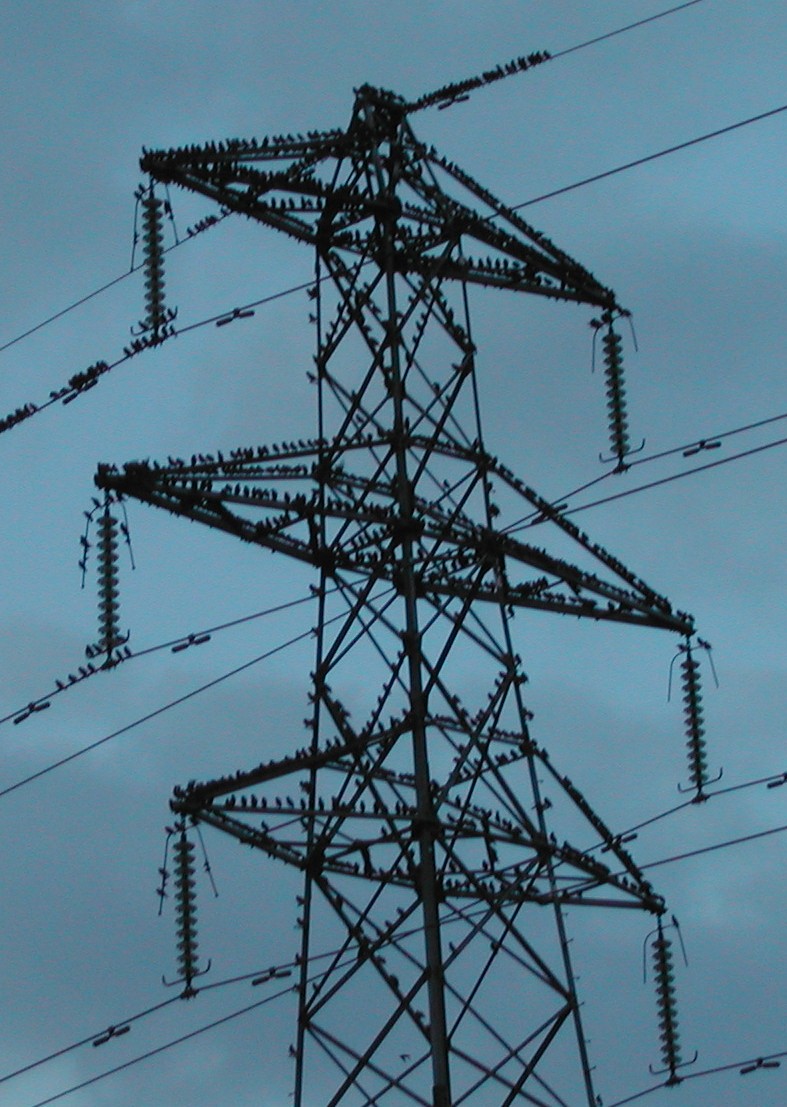
A large Starling roost has formed in the Windyridge Road/Swindon Road area with thousands of birds congregating on the pylons that run over Wymans Brook with the birds doing their spectacular pre-roost flights over the area between 5 and 6 pm. Blackcaps have been more in evidence this week with males heard singing both early morning and evening at Swindon Lane and along the Honeybourne Cycle Path. John Sanders has noted that, despite the cold weather and ice earlier in the week, the Great Crested Grebes in Pittville Park hatched their first brood on 6th , thus repeating last year’s precocious behaviour.

Walmore (6 March, contributed by Andy Jayne)

25 Bewick’s Swan, 1 Jack Snipe, 50 Snipe and 2 Stonechats at Walmore Common today. This is a high count of Snipe for Walmore these days and suggests that early spring passage is underway despite the inclement weather.

Standish (1 March, contributed by Juliet Bailey)

There were 20 species of wild plant flowering in my garden in Standish on 1 March 2005, plus 25 cultivated genera. All of the wild plants are considered weeds, though I like them. The only one that is at all unusual is Veronica polita, which is under-recorded rather than rare. The easiest way to tell it from Veronica persica is from the fruit. The two halves of the fruit of V. persica are flattened and divergent like butterfly wings, whereas the fruit of V. polita is rounded like a hairy little bottom, as shown in the detailed view of the seeds below. (I get several other Veronicas – but they aren’t yet in flower.)

1.  Bellis perennis   Daisy
2.  Capsella bursa-pastoris   Shepherd’s-purse
3.  Cardamine hirsuta   Hairy Bitter-cress
4.  Euphorbia helioscopia   Sun Spurge
5.  Euphorbia peplus   Petty Spurge
6.  Lamium album   White Dead-nettle
7.  Lamium purpureum   Red Dead-nettle
8.  Matricaria discoidea   Pineapple Weed
9.  Mercurialis annua   Annual Mercury
10. Poa annua   Annual Meadow-grass
11. Senecio jacobaea   Common Ragwort
12. Senecio vulgaris   Groundsel
13. Sinapis arvensis   Charlock
14. Sonchus oleraceus   Smooth Sow-thistle
15. Stellaria media   Common Chickweed
16. Taraxacum aggregate   Dandelion
17. Tripleurospermum inodorum   Scentless Mayweed
18. Veronica hederifolia   Ivy-leaved Speedwell
19. Veronica persica   Common Field-speedwell
20. Veronica polita   Grey Field-speedwell

Cheltenham (1 March, contributed by Robert Homan)

Now 3 Goosanders on Pittville Park boating lake, the lone male being joined by a male and female.

Sightings – February 2005

Forest of Dean (18 February, contributed by Andy Jayne)

A pair of Goshawks at Oakenhill Wood/Parkend Church together with two Sparrowhawks, 12 Buzzards and two Ravens, with all but the 2nd Sparrowhawk in the air together. Also four Lesser Redpoll and four Hawfinch were in the area with two more Hawfinch at Cannop Ponds.

Cheltenham (4 February, contributed by Robert Homan)

c.100 Waxwings in the Bayshill Road area for much of the morning, but had disappeared by 1.10pm

Sightings – January 2005

Gloucester (30 January, contributed by Robert Homan)

c.130 Waxwings in the poplar trees near the mini-roundabout entrance to Watts commercial vehicles in St Oswald’s Road at 10.50 this morning.

Gloucester (27 January, contributed by Gordon Avery)

At least 50 Waxwings in the Hempstead area and another 100 at Chestnut Walk, Abbeymeade Avenue.

Cheltenham (26 January, contributed by Robert Homan)

20 Waxwings in Albermarle Gate, near Pittville Park, in the tall poplar tree at the western end of the road at 8.00 am..

Gloucester (25 January, contributed by Gordon Avery)

A first winter Glaucous Gull on the playing field in Sudmeadow Road today.

Cheltenham (15 January, contributed by Robert Homan)

14 Waxwings in Albermarle Gate near the junction with Evesham Road at 12.10pm. Albermarle Gate is the road that runs across the north side of Pittville Park golf course. The birds are easily seen from the car park in Albermarle Gate (SO 953237). Male Goosander on the nearby lake in Pittville Park.
In the afternoon a male Blackcap and a Chiffchaff at Wyman’s Brook. The Chiffchaff is possibly wintering in the area, as one was seen at the same location on 19 December.

CWP(E) (13 January, news via Gordon Avery)

A Bittern seen today at Whelford Pools GWT Nature Reserve.

Awre (6 January, news via Gordon Avery)

2 first winter Glaucous Gulls going into roost today. Also 1 adult Mediterranean Gull in the area.

Speech House area (3 January, contributed by Robert Homan)

5 Mandarins on Speech House Lake and at least 2 Ravens in the area. Large flocks of Chaffinches in Saintlow Enclosure and at the Arboretum.

Staverton (1 January, contributed by Gordon Avery)

A male Merlin over the airport in the morning.

Skip to content